 Quran
Quran
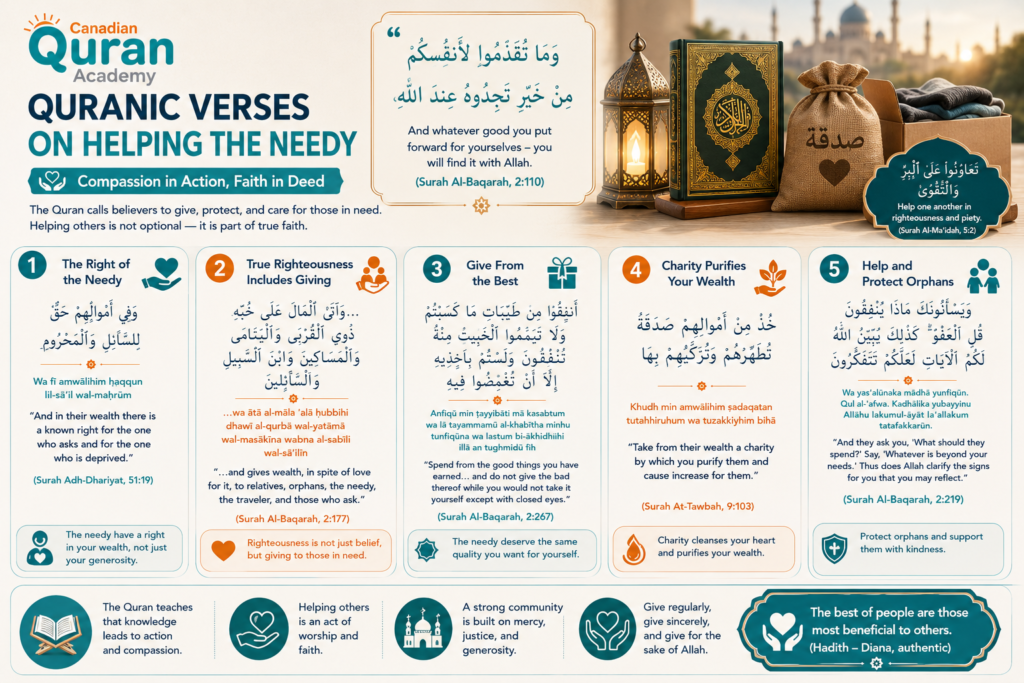
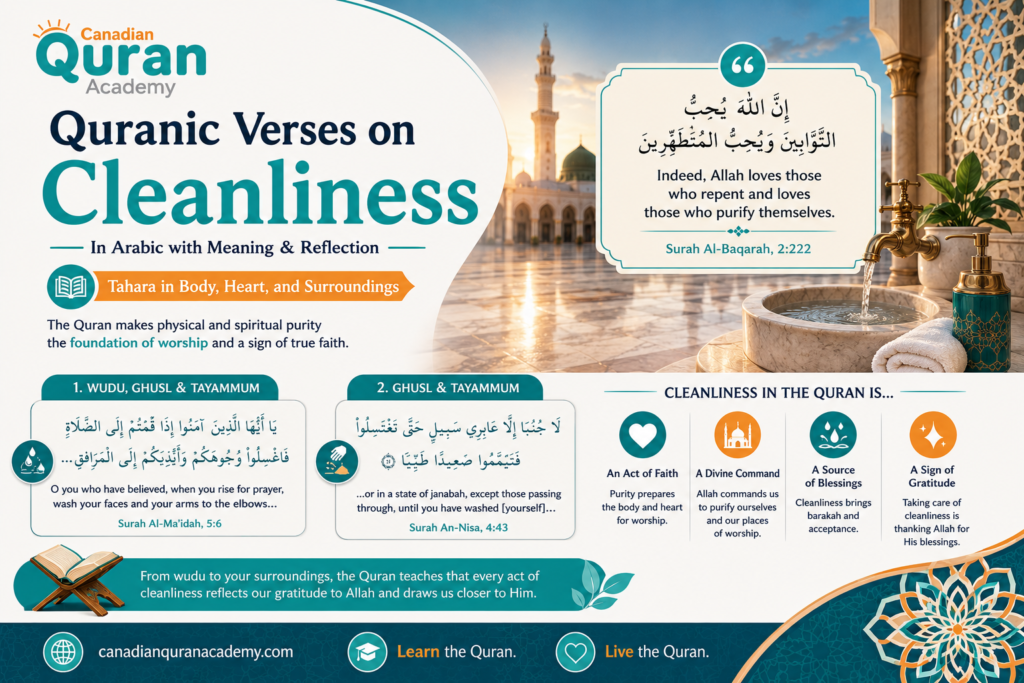
Helping those in need is not a peripheral virtue in Islam — it is woven into the Quran’s very definition of what it means to believe. From the earliest surahs revealed in Makkah to the detailed legal guidance of Madinah, Allah repeatedly calls believers to give, to protect, and to stand beside the poor, the orphan, and the vulnerable. These are not suggestions; the Quran frames them as obligations of faith.
This article gathers the most powerful Quranic verses on helping the needy — each presented with full Arabic text with tashkeel (vowel marks), transliteration, surah and ayah reference linked directly to quran.com, and practical reflection on what the verse actually demands of the believer.
What Does the Quran Say About Helping the Needy?
The Quran addresses helping the needy across dozens of surahs, in multiple forms: financial charity, protection of orphans, support for travelers, debt relief, and feeding the hungry. This breadth is deliberate. Allah did not limit the concept of helping others to a single act or a single verse.
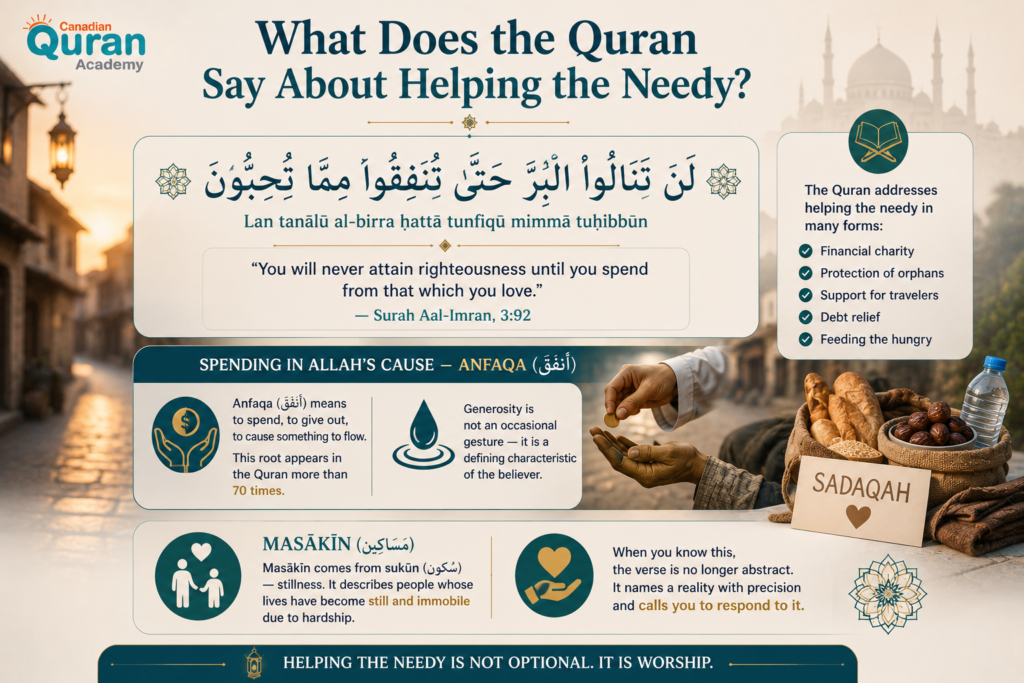
The Arabic root most commonly used for spending in Allah’s cause is anfaqa (أَنفَقَ) — to spend, to give out, to cause something to flow. This root appears in the Quran more than 70 times, signaling that generosity is a defining characteristic of the believer, not an occasional gesture.
Understanding these verses in their original Arabic deepens their impact significantly. The word masākīn (مَسَاكِين), often translated as “the needy” or “the poor,” comes from sukūn (stillness) — describing people whose lives have become still and immobile due to hardship. When you know this, the verse is no longer abstract. It names a reality with precision and calls you to respond to it.
If you want to access the Quran’s language at this level, building your Arabic foundation through a structured course — such as the Al-Azhar Arabic program at Canadian Quran Academy — makes a genuine difference in how you receive these verses.

A Quranic Verse Establishing the Right of the Needy
The Quran establishes a fundamental principle of social responsibility by affirming that the needy have a legitimate claim to a believer’s wealth. Giving, therefore, is portrayed as fulfilling a right rather than offering a voluntary favor.
وَفِي أَمْوَالِهِمْ حَقٌّ لِّلسَّائِلِ وَالْمَحْرُومِ
Wa fī amwālihim ḥaqqun lil-sā’ili wal-maḥrūm
“And in their wealth there is a known right for the one who asks and for the one who is deprived.”Surah Adh-Dhariyat, 51:19
The operative word here is ḥaqq (حَقّ) — a right, a due, a legal entitlement — not a favor you extend from surplus generosity. This is perhaps the most important framing principle in all the Quranic verses on helping the needy: the believer who gives is not being charitable in the colloquial sense. They are fulfilling an obligation that was already owed.
Notice also that the verse names two categories: al-sā’il (the one who asks openly) and al-maḥrūm (the one deprived but silent — perhaps too dignified or too isolated to ask). The Quran instructs believers not to wait to be asked. Active awareness of hidden need is itself a religious duty.
Quranic Verses That Define True Righteousness Through Giving
The Quran teaches that true righteousness is measured not only by acts of worship but also by sincere faith expressed through compassion and generosity.
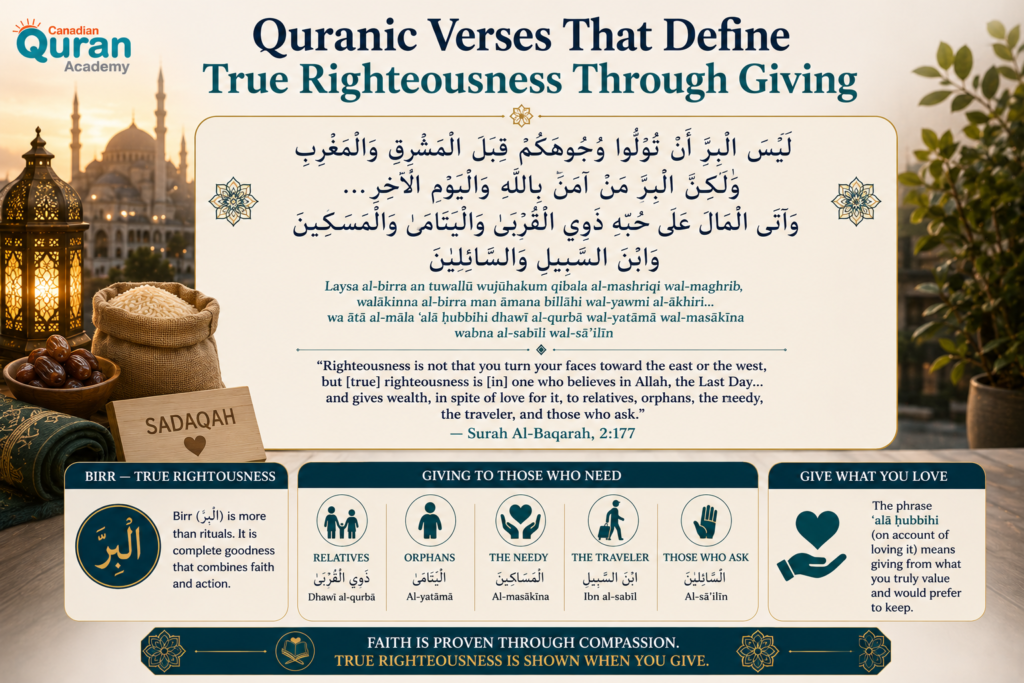
لَّيْسَ الْبِرَّ أَن تُوَلُّوا وُجُوهَكُمْ قِبَلَ الْمَشْرِقِ وَالْمَغْرِبِ وَلَٰكِنَّ الْبِرَّ مَنْ آمَنَ بِاللَّهِ وَالْيَوْمِ الْآخِرِ… وَآتَى الْمَالَ عَلَىٰ حُبِّهِ ذَوِي الْقُرْبَىٰ وَالْيَتَامَىٰ وَالْمَسَاكِينَ وَابْنَ السَّبِيلِ وَالسَّائِلِينَ
Laysa al-birra an tuwallū wujūhakum qibala al-mashriqi wal-maghrib, walākinna al-birra man āmana billāhi wal-yawmi al-ākhiri… wa ātā al-māla ʿalā ḥubbihi dhawī al-qurbā wal-yatāmā wal-masākīna wabna al-sabīli wal-sā’ilīn
“Righteousness is not that you turn your faces toward the east or the west, but [true] righteousness is [in] one who believes in Allah, the Last Day… and gives wealth, in spite of love for it, to relatives, orphans, the needy, the traveler, and those who ask.”Surah Al-Baqarah, 2:177
This verse is one of the Quran’s clearest definitions of birr — a word that encompasses righteousness, excellence, and moral completeness. The phrase ʿalā ḥubbihi (on account of loving it) is critical: this is not about giving away things you don’t need. It means giving from what you genuinely value and would prefer to keep.
Read More: Quranic Verses About Water in Arabic
A Quranic Verse on Giving from the Best
By comparing charitable giving to what a person would willingly accept for themselves, the Quran sets a timeless ethical standard. True generosity means offering what is honorable and beneficial, not what is unwanted or discarded.
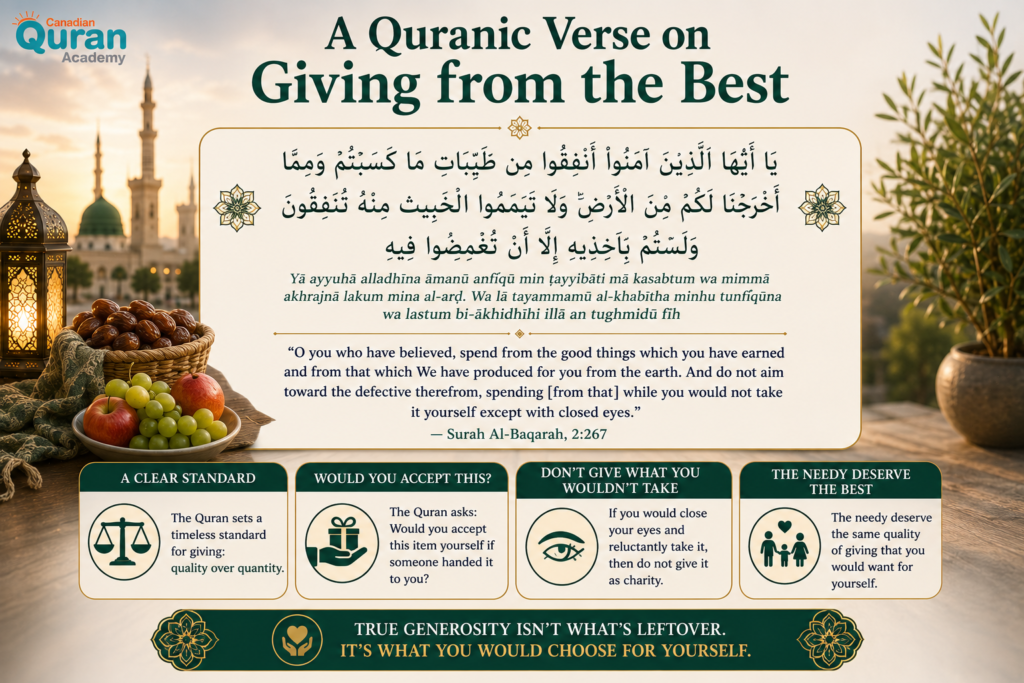
يَا أَيُّهَا الَّذِينَ آمَنُوا أَنفِقُوا مِن طَيِّبَاتِ مَا كَسَبْتُمْ وَمِمَّا أَخْرَجْنَا لَكُم مِّنَ الْأَرْضِ ۖ وَلَا تَيَمَّمُوا الْخَبِيثَ مِنْهُ تُنفِقُونَ وَلَسْتُم بِآخِذِيهِ إِلَّا أَن تُغْمِضُوا فِيهِ
Yā ayyuhā alladhīna āmanū anfiqū min ṭayyibāti mā kasabtum wa mimmā akhrajnā lakum mina al-arḍ. Wa lā tayammamū al-khabītha minhu tunfiqūna wa lastum bi-ākhidhīhi illā an tughmidū fīh
“O you who have believed, spend from the good things which you have earned and from that which We have produced for you from the earth. And do not aim toward the defective therefrom, spending [from that] while you would not take it yourself except with closed eyes.” Surah Al-Baqarah, 2:267
The Quran uses a vivid standard here: would you accept this item yourself if someone handed it to you? If not — if you would close your eyes and reluctantly take it — then do not give it as charity. The needy deserve the same quality of giving that you would want for yourself.
Verses on Charity That Purifies Wealth
The Quran presents charity as more than financial assistance—it is a means of spiritual purification and personal growth that giving in the way of Allah cleanses the heart, strengthens faith, and brings blessings to both the giver and the recipient.
خُذْ مِنْ أَمْوَالِهِمْ صَدَقَةً تُطَهِّرُهُمْ وَتُزَكِّيهِمْ بِهَا وَصَلِّ عَلَيْهِمْ ۖ إِنَّ صَلَاتَكَ سَكَنٌ لَّهُمْ
Khudh min amwālihim ṣadaqatan tuṭahhiruhum wa tuzakkīhim bihā wa ṣalli ʿalayhim, inna ṣalātaka sakanun lahum
“Take from their wealth a charity by which you purify them and cause them increase, and invoke [Allah’s blessings] upon them. Indeed, your invocations are reassurance for them.”Surah At-Tawbah, 9:103
The Quran pairs two verbs here: tuṭahhiruhum (to purify them) and tuzakkīhim (to cause them to grow). Zakat — the obligatory charity — is not merely a transfer of wealth from the rich to the poor. It is a spiritual cleansing of the giver’s attachment to wealth, and a cause of growth (both material and moral) for both parties.
For learners who want to understand why Quranic Arabic contains such layered meanings in single words, the Fusha Arabic course at Canadian Quran Academy is an effective place to begin building that comprehension.
The Verse That Warns Against Hoarding
Wealth in the Quran is a blessing meant to benefit both its owner and the wider community. This verse warns that when wealth is hoarded and its obligations are ignored, it becomes a source of accountability rather than a sign of success.
وَالَّذِينَ يَكْنِزُونَ الذَّهَبَ وَالْفِضَّةَ وَلَا يُنفِقُونَهَا فِي سَبِيلِ اللَّهِ فَبَشِّرْهُم بِعَذَابٍ أَلِيمٍ
Walladhīna yaknizūna al-dhahaba wal-fiḍḍata wa lā yunfiqūnahā fī sabīli llāhi fa-bashshirhum bi-ʿadhābin alīm
“And those who hoard gold and silver and do not spend it in the way of Allah — give them tidings of a painful punishment.” Surah At-Tawbah, 9:34
The Quran uses kanz (كَنز) — treasure-hoarding — as a specific concept describing wealth deliberately withheld from circulation. This verse is not a condemnation of savings or investment; classical scholars are clear on this. It specifically targets those who accumulate wealth while deliberately ignoring the rights of the needy that exist within it. Seen alongside 51:19 (the needy’s ḥaqq), the picture becomes complete: withholding a right is punishable; fulfilling it is worship.
Live Class in Action
Watch how our instructors interact with students in real-time, focusing on interactive methods.
Start Your Quranic Journey in Canada
Join our vibrant community and learn with expert tutors through our flexible online platform.
Claim Your Free TrialRead More: Quranic Verses on Education in Arabic
A Quranic Verse on Giving Charity in Secret
The Quran presents secret charity as one of the highest forms of giving. By keeping acts of generosity private, believers demonstrate sincerity, humility, and genuine concern for those they help.
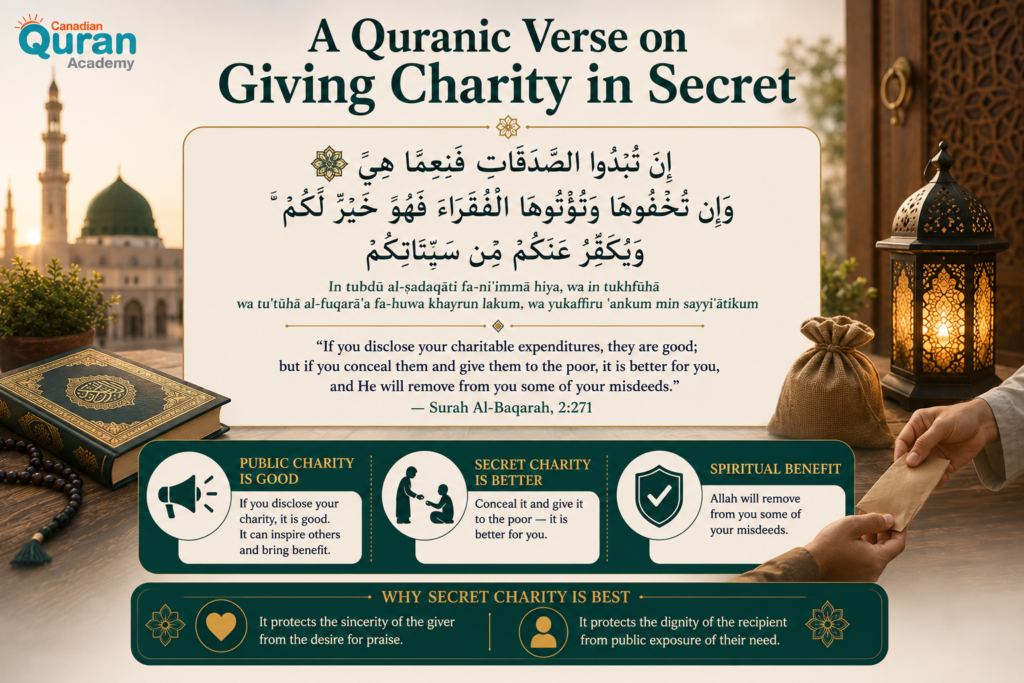
إِن تُبْدُوا الصَّدَقَاتِ فَنِعِمَّا هِيَ ۖ وَإِن تُخْفُوهَا وَتُؤْتُوهَا الْفُقَرَاءَ فَهُوَ خَيْرٌ لَّكُمْ ۚ وَيُكَفِّرُ عَنكُم مِّن سَيِّئَاتِكُمْ
In tubdū al-ṣadaqāti fa-niʿimmā hiya, wa in tukhfūhā wa tu’tūhā al-fuqarā’a fa-huwa khayrun lakum, wa yukaffiru ʿankum min sayyi’ātikum
“If you disclose your charitable expenditures, they are good; but if you conceal them and give them to the poor, it is better for you, and He will remove from you some of your misdeeds.” Surah Al-Baqarah, 2:271
The Quran does not prohibit public charity — it acknowledges its legitimacy and its social function as an example for others. But it marks concealed giving as khayr (better). The reason scholars give is twofold: it protects the sincerity of the giver from the pull of praise, and it protects the dignity of the recipient from public awareness of their need.
A Quranic Verse About Giving Despite Hardship
True generosity is tested when resources are limited, not when they are plentiful. Through the example of the Ansar, this verse presents selfless giving as one of the highest expressions of faith and compassion.
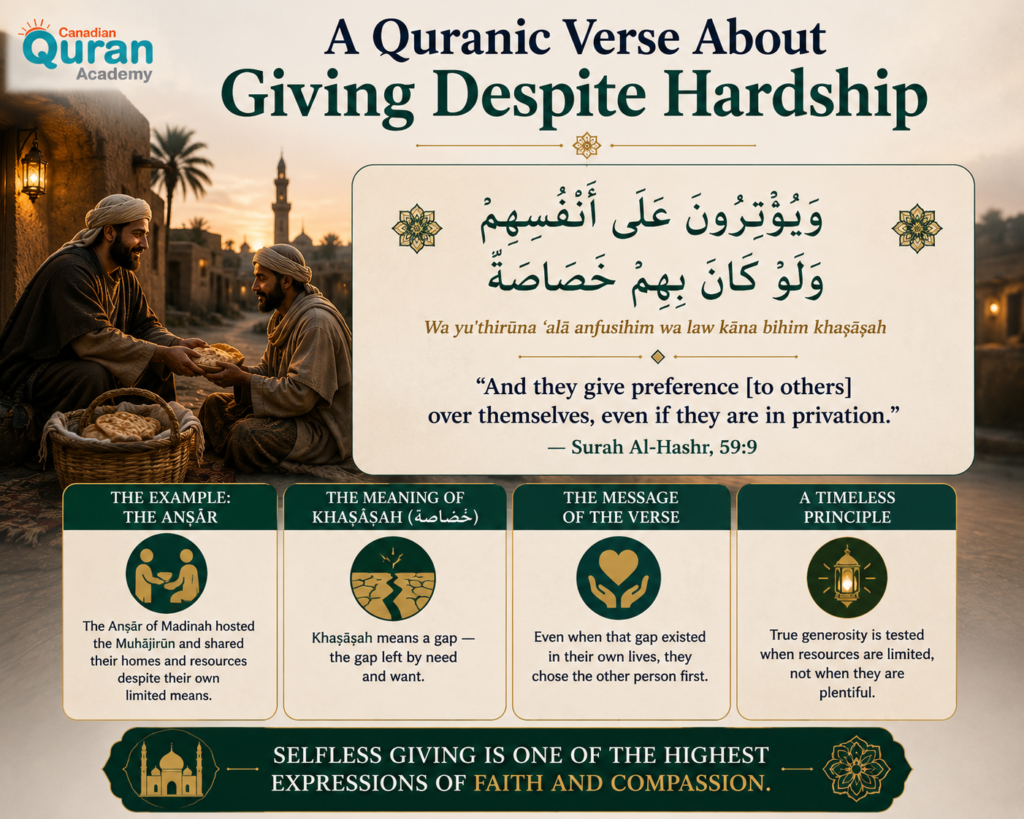
وَيُؤْثِرُونَ عَلَىٰ أَنفُسِهِمْ وَلَوْ كَانَ بِهِمْ خَصَاصَةٌ
Wa yu’thirūna ʿalā anfusihim wa law kāna bihim khaṣāṣah
“And they give preference [to others] over themselves, even if they are in privation.” Surah Al-Hashr, 59:9
This verse describes the Anṣār of Madinah, who hosted the Muhajirun (emigrants from Makkah) and shared their homes and resources despite their own limited means. The word khaṣāṣah (خَصَاصَة) describes a gap — specifically the gap left by need and want. The verse says: even when that gap existed in their own lives, they chose the other person first.
The Quran on Consistent Giving In Good Times and Bad
True generosity is measured by consistency rather than convenience. The Quran honors believers who remain committed to helping others in every season of life, whether they are living in ease or facing hardship themselves.
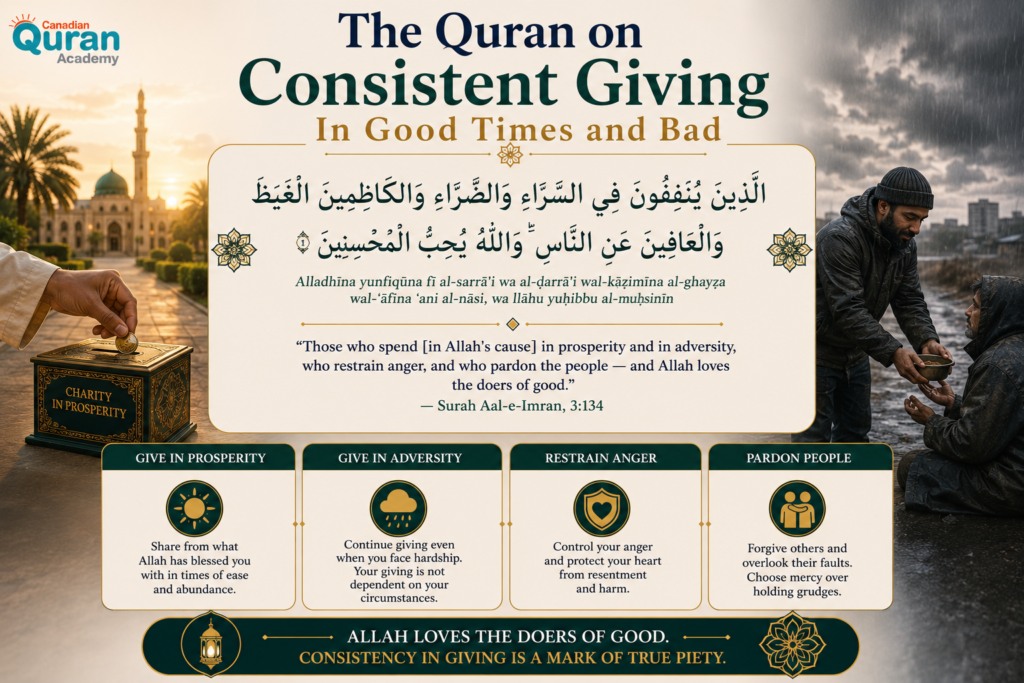
الَّذِينَ يُنفِقُونَ فِي السَّرَّاءِ وَالضَّرَّاءِ وَالْكَاظِمِينَ الْغَيْظَ وَالْعَافِينَ عَنِ النَّاسِ ۗ وَاللَّهُ يُحِبُّ الْمُحْسِنِينَ
Alladhīna yunfiqūna fī al-sarrā’i wa al-ḍarrā’i wal-kāẓimīna al-ghayẓa wal-ʿāfīna ʿani al-nāsi, wa llāhu yuḥibbu al-muḥsinīn
“Those who spend [in Allah’s cause] in prosperity and in adversity, who restrain anger, and who pardon the people — and Allah loves the doers of good.” Surah Aal-e-Imran, 3:134
The Quran uses two direct contrasts: al-sarrā’ (prosperity, ease) and al-ḍarrā’ (adversity, hardship). Giving only when comfortable is not the Quranic standard. The verses on helping the needy across multiple surahs consistently present consistency as a mark of true piety — and this verse is its clearest statement.
A Quranic Verse on the Multiplied Reward of Charity
Rather than viewing charity as a reduction in wealth, the Quran presents it as an investment whose rewards continue to multiply. This verse compares sincere giving to a seed that grows into a harvest many times greater than what was first planted.
مَّثَلُ الَّذِينَ يُنفِقُونَ أَمْوَالَهُمْ فِي سَبِيلِ اللَّهِ كَمَثَلِ حَبَّةٍ أَنۢبَتَتْ سَبْعَ سَنَابِلَ فِي كُلِّ سُنۢبُلَةٍ مِّائَةُ حَبَّةٍ ۗ وَاللَّهُ يُضَاعِفُ لِمَن يَشَاءُ
Mathalu alladhīna yunfiqūna amwālahum fī sabīli llāhi ka-mathali ḥabbatin anbatathu sabʿa sanābila fī kulli sunbulatin mi’atu ḥabbah. Wa llāhu yuḍāʿifu li-man yashā’
“The example of those who spend their wealth in the way of Allah is like a seed [of grain] which grows seven spikes; in each spike is a hundred grains. And Allah multiplies [His reward] for whom He wills.” Surah Al-Baqarah, 2:261
One act of sincere charity multiplied 700 times — and then further still at Allah’s will. The agricultural metaphor is carefully chosen: a farmer who holds every seed back never produces a harvest. Spending in Allah’s cause is seed capital, not loss.
A Quranic Verse on Protecting the Wealth of Orphans
Caring for orphans is one of the Quran’s recurring themes, and protecting their property is presented as a sacred trust. This verse requires believers not only to avoid wrongdoing but to act in the orphan’s best interests with justice, integrity, and compassion.
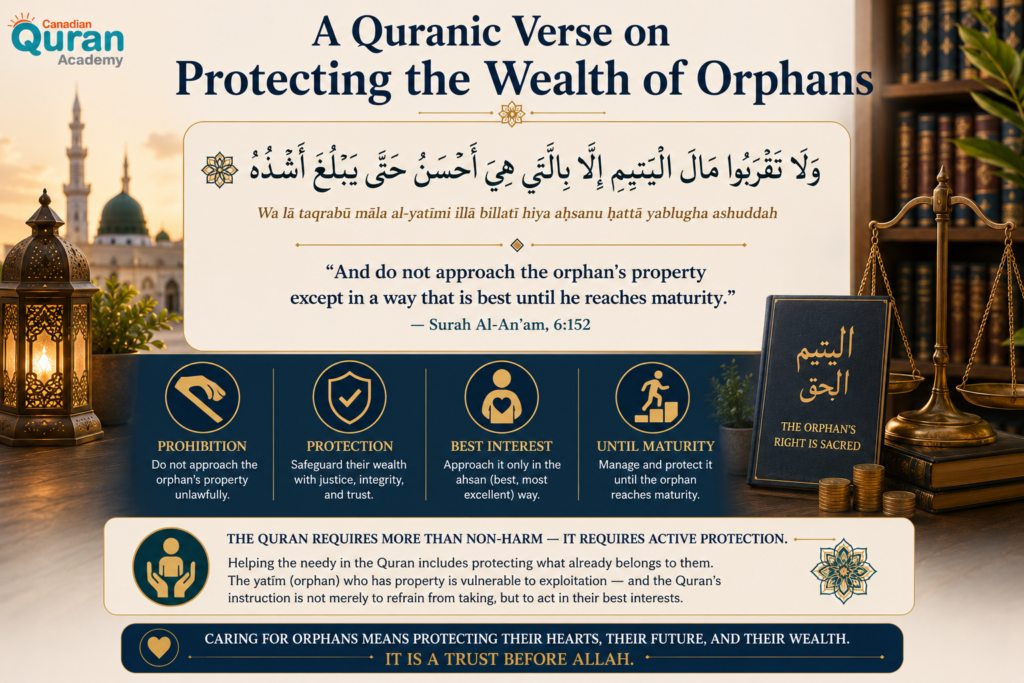
وَلَا تَقْرَبُوا مَالَ الْيَتِيمِ إِلَّا بِالَّتِي هِيَ أَحْسَنُ حَتَّىٰ يَبْلُغَ أَشُدَّهُ
Wa lā taqrabū māla al-yatīmi illā billatī hiya aḥsanu ḥattā yablugha ashuddah
“And do not approach the orphan’s property except in a way that is best until he reaches maturity.” Surah Al-An’am, 6:152
Helping the needy in the Quran includes a dimension that is often overlooked: protecting what already belongs to them. The yatīm (orphan) who has property is vulnerable to exploitation — and the Quran’s instruction is not merely to refrain from taking, but to approach the matter only in the aḥsan (best, most excellent) way. Passive non-harm is not enough; active protection is required.
Read More: Quranic Verses on Cleanliness in Arabic
A Quranic Verse on Sincere Giving for Allah’s Sake
Sincere charity is defined by purity of intention rather than public appreciation. Through this powerful example, the Quran presents giving for Allah’s sake alone as one of the highest expressions of faith, compassion, and selflessness.
وَيُطْعِمُونَ الطَّعَامَ عَلَىٰ حُبِّهِ مِسْكِينًا وَيَتِيمًا وَأَسِيرًا إِنَّمَا نُطْعِمُكُمْ لِوَجْهِ اللَّهِ لَا نُرِيدُ مِنكُمْ جَزَاءً وَلَا شُكُورًا
Wa yuṭʿimūna al-ṭaʿāma ʿalā ḥubbihi miskīnan wa yatīman wa asīrā. Innamā nuṭʿimukum li-wajhi llāhi lā nurīdu minkum jazā’an wa lā shukūrā
“And they give food, despite love for it, to the needy, the orphan, and the captive. [Saying:] ‘We feed you only for the sake of Allah; we desire from you neither reward nor thanks.'” Surah Al-Insan, 76:8–9
These two verses together contain a complete ethical framework for helping the needy: give despite your love for what you’re giving, include even the captive (someone outside your community who has no claim on you), and do it purely for Allah with no expectation of gratitude. The inner statement — lā nurīdu minkum jazā’an wa lā shukūrā — is not said aloud by these believers. It describes the state of their heart.
Understanding the rhetorical structure of surahs like Al-Ma’un is a skill that comes from engaging with Quranic Arabic seriously. The Arabic courses at Canadian Quran Academy are designed to build exactly this kind of comprehension in a structured way.

Experience Our Classrooms
Don’t just take our word for it—take a look inside! Watch the videos below to experience our engaging teaching methods and vibrant online classrooms firsthand.
Start Your Quranic Journey in Canada
Join our vibrant community and learn with expert tutors through our flexible online platform.
Claim Your Free TrialDiscover the Meaning Behind Every Quranic Verse with Canadian Quran Academy
The verses in this article reveal how a single Arabic word can shape the meaning of an entire passage. Terms such as ḥaqq, birr, mann, and masākīn carry layers of meaning that are difficult to capture in translation alone.
At Canadian Quran Academy, you’ll learn how to explore the Quran as it was revealed through structured, teacher-guided study.
- Recognize key Quranic vocabulary and understand its meanings in context.
- Learn the grammar and language patterns that bring Quranic verses to life.
- Read the Quran with greater confidence and accuracy through guided instruction.
- Study with experienced teachers in live one-on-one online sessions.
- Choose from courses designed for beginners, intermediate learners, and advanced students.
- Build a deeper connection with the Quran through understanding—not just recitation.
Start with a FREE trial class and experience the learning approach before enrolling.
Our Quran Courses
- Quran Online Academy
- Quran Recitation Classes
- Quran Reading Classes
- Online Quran Classes for Kids
- Quran Classes for Adults
- Quran Classes for Female
- Learn Quran Course for Beginners
Start Your Quranic Journey in Canada
Join our vibrant community and learn with expert tutors through our flexible online platform.
Claim Your Free TrialConclusion
The Quranic verses on helping the needy in Arabic form one of the most coherent and demanding ethical frameworks in any scripture. What emerges from reading them together is a picture far more complete than “give charity when you can.”
The Quran establishes that the needy have a right (ḥaqq) in the believer’s wealth. It specifies what quality of giving is acceptable. It warns against nullifying charity through reminders or harm. It marks consistent giving — in hardship as much as ease — as a defining trait of the God-conscious. And it links the neglect of the poor directly to a defect in one’s relationship with the Hereafter itself.
These are not verses for occasional reflection. They describe the character of the believing person in daily life. Knowing them in Arabic, understanding their exact words, and living by what they actually demand — that is the full task they set before the reader.
Frequently Asked Questions
Helping the needy is a recurring theme throughout the Quran, where generosity is presented as both an act of worship and a social responsibility. These frequently asked questions highlight the most important Quranic teachings on charity and caring for those in need.
What is the main Quranic verse on helping the needy?
Surah Adh-Dhariyat 51:19 is often cited as the foundational verse: “And in their wealth there is a known right for the one who asks and for the one who is deprived.” The word ḥaqq (right) establishes helping the needy as an obligation, not optional generosity. Surah Al-Baqarah 2:177 expands this by defining it as central to righteousness itself.
What does the Quran say about giving charity to the poor?
The Quran instructs believers to give from good things they love, not defective leftovers (2:267); to give consistently in both ease and hardship (3:134); to give secretly when possible to protect the recipient’s dignity (2:271); and never to follow charity with reminders or harm that would nullify its reward (2:264).
Is helping the needy obligatory in Islam?
Yes, in two forms. Zakat — giving 2.5% of qualifying wealth annually — is one of the Five Pillars of Islam and explicitly obligatory. Beyond Zakat, the Quran frames additional giving (Sadaqah) as essential to righteousness and links its neglect to a spiritual failing, as Surah Al-Ma’un (107:1–3) makes clear.
What Surah talks about feeding the poor?
Surah Al-Insan (76:8–9) describes the righteous as those who feed the needy, the orphan, and even the captive, despite their own love for the food — and who do so purely for Allah’s sake with no expectation of thanks. Surah Al-Ma’un (107:1–3) warns that failing to encourage the feeding of the poor is itself a sign of spiritual deficiency.
How does understanding Arabic help with Quranic verses about charity?
Many key terms — ḥaqq (a legal right), masākīn (the stilled-by-hardship), mann (belittling reminder), birr (moral excellence) — carry exact meanings in Arabic that English translations compress or lose entirely. Understanding these words in their original form changes how you receive the verse and how specifically you can act on it.





Leave a Reply